


Yoga Teacher Training in Rishikesh - The Complete Guide
Everything You Need to Know Before Choosing a Yoga Teacher Training in Rishikesh
A Yoga Teacher Training (YTT) is a structured educational program designed to deepen your understanding of yoga and, if you choose, prepare you to teach others. While many people associate a YTT with learning yoga postures, a quality training goes far beyond asana and introduces students to philosophy, pranayama, meditation, anatomy, teaching methodology, ethics, and self-inquiry.
Yoga Teacher Trainings are suitable for aspiring teachers, dedicated practitioners who want to deepen their practice, wellness professionals, and anyone interested in understanding yoga beyond the physical aspect. In fact, many students join a training with no intention of teaching and instead use the experience as an opportunity for personal growth and self-discovery.
Rishikesh is widely regarded as the Yoga Capital of the World and attracts thousands of students each year due to its rich yogic heritage, spiritual atmosphere, and connection to the Himalayan tradition. Studying in Rishikesh offers the opportunity to learn yoga in a place where it continues to be practiced as a living tradition rather than simply a fitness activity.
Most students begin with a 200-Hour Yoga Teacher Training, which typically lasts between 21 and 28 days. Those wishing to continue their studies may later complete a 300-Hour Advanced Yoga Teacher Training, while a 500-Hour certification is generally a combination of both levels.
Many schools in Rishikesh offer Yoga Alliance registered certifications, which can be useful for those planning to teach internationally. However, the quality of the teachers, curriculum, and learning environment are often far more important than the certification itself.
Beyond the certificate, students often leave with something far more valuable: a deeper understanding of themselves, a stronger personal practice, lifelong friendships, and practical tools for living with greater awareness both on and off the mat. As one of our graduates shared after completing their training:
"The training opened a door and showed the path to true yoga."
Key Takeaways
A Yoga Teacher Training is about much more than learning postures. It provides a foundation in yoga philosophy, pranayama, meditation, anatomy, teaching methodology, and self-inquiry.
You do not need to want to become a yoga teacher to join a training. Many students attend to deepen their personal practice, gain clarity, and better understand themselves through the teachings of yoga.
Rishikesh is known as the Yoga Capital of the World not because of the number of schools, but because of its deep connection to yoga, the Ganga, the Himalayas, and centuries of spiritual practice and study.
Most students begin with a 200-Hour Yoga Teacher Training, which serves as a foundation for both personal practice and teaching. A 300-Hour Training is designed for those ready to deepen their knowledge and become more complete yoga educators.
Yoga Alliance certification can be useful for teaching internationally, but the quality of the teachers, curriculum, and learning environment are often more important than the certificate itself.
Choosing the right school requires looking beyond price and marketing. Pay attention to the teachers, philosophy, curriculum, communication, group size, and the overall educational experience being offered.
A Yoga Teacher Training in Rishikesh is an immersive experience that combines study, practice, community, and self-reflection. The learning often continues far beyond the classroom.
While costs vary significantly, choosing a training based solely on the lowest price can sometimes mean compromising on the quality of education, mentorship, and support.
One of the most valuable aspects of a training is the community it creates. Many students leave with lifelong friendships and connections with people who share a similar interest in growth and self-discovery.
The certificate marks the completion of a course, but for most students, it is only the beginning of a much deeper journey into yoga.
On this page
→ What Is Yoga Teacher Training?
→ Who Is Yoga Teacher Training For?
→ Why Rishikesh Is The Yoga Capital Of The World
→ Types Of Yoga Teacher Training
→ What To Expect During A Training
→ Best Time to Attend a Yoga Teacher Training in Rishikesh
→ Accommodation & Daily Life During a Yoga Teacher Training
What is Yoga Teacher Training?
At its core, a yoga teacher training is an invitation to step beyond being a participant in a yoga class and begin exploring the wider system of yoga. It is a comprehensive, delicately compiled training designed to introduce practitioners to the many dimensions of yoga and to help them understand the depth behind a practice that is often reduced to physical postures.
A Yoga Teacher Training (YTT) is a structured educational program designed to deepen your understanding of yoga and, if you choose, prepare you to share it with others. Most trainings combine the study of asana (postures), pranayama (breathwork), meditation, anatomy, philosophy, teaching methodology, and yogic lifestyle practices.
For many people, a Yoga Teacher Training is their first opportunity to explore yoga beyond the physical practice. While students often arrive expecting to spend most of their time learning postures, sequencing classes, and studying anatomy, these subjects represent only one part of a much broader educational experience.
At its heart, yoga is an ancient system of self-development that explores the relationship between the body, mind, emotions, and the way we interact with the world around us. A meaningful teacher training introduces students to this wider perspective and encourages them to understand yoga not simply as something practiced on a mat, but as a way of approaching daily life with greater awareness.
Throughout a training, students are introduced to practices such as:
Asana (physical postures)
Yoga Nidra
Mantra
Kriya (cleansing techniques)
Anatomy and physiology
Yoga philosophy
Teaching methodology
Alongside learning how these practices are taught, students begin to understand how they influence the body, nervous system, breath, emotions, and overall wellbeing. This provides the foundation for both a sustainable personal practice and responsible teaching.
For those who wish to become yoga teachers, a training develops the practical skills needed to guide others safely and effectively. However, learning to teach yoga is about much more than memorising cues or sequencing classes.
It involves understanding the traditions from which the teachings emerge, learning how knowledge has been transmitted through generations, and developing the ability to guide students while remaining a lifelong student yourself.
One of the greatest misconceptions about Yoga Teacher Training is that its primary purpose is to create instructors.
In reality, the deeper question many trainings invite students to explore is:
What does it mean to be a yoga teacher?
An instructor may know how to demonstrate postures and lead a class. A yoga teacher, however, seeks to embody the teachings, understand the purpose behind the practices, and create an environment in which students can develop their own understanding and experience.
The goal is not to become someone's healer, therapist, or saviour. Yoga teaches that each person already possesses an inner wisdom. The role of a teacher is simply to guide, support, and offer tools that help students connect with that wisdom for themselves.
As one of our graduates beautifully expressed after completing their training:
"The training opened a door and showed the path to true yoga."
We believe this captures the essence of Yoga Teacher Training.
It is not the destination.
It is the beginning of a journey.
For many students, the most valuable lessons emerge not from textbooks or lectures but through self-reflection, meaningful conversations, challenges, and insights gained throughout the training process. While some arrive seeking a certificate, they often leave with something far more valuable—a deeper understanding of themselves, a stronger connection to their practice, and a clearer sense of how yoga can support a meaningful and balanced life.
Who Is Yoga Teacher Training For?
One of the most common questions we receive is:
"Do I need to want to become a yoga teacher to join a yoga teacher training?"
The answer is no.
Although teacher trainings were originally designed to prepare future teachers, today many students join with no intention of teaching professionally. Instead, they are seeking a deeper understanding of yoga, a more meaningful personal practice, or a period of focused self-development.
Yoga teacher training is suitable for a wide variety of people.
Dedicated Practitioners
Those who want to understand yoga more deeply and explore the philosophy, practices, and traditions that exist beyond a regular yoga class.
Aspiring Yoga Teachers
Students who feel called to share yoga professionally and want to develop the knowledge, confidence, and teaching skills needed to guide others.
Health & Wellness Professionals
Physiotherapists, coaches, therapists, healthcare professionals, and wellness practitioners who wish to integrate yogic principles into their existing work.
Personal Growth Seekers
Individuals looking for a period of self-reflection, personal development, and a deeper connection with themselves through practices such as meditation, pranayama, and philosophy.
Beginners
Many 100-hour and 200-hour trainings welcome beginners. You do not need to master advanced postures to benefit from a training. Curiosity, openness, and a willingness to learn are often far more important than flexibility or experience.
A Community of Like-Minded People
One of the most rewarding aspects of a Yoga Teacher Training is the community that develops throughout the journey. Students from different countries, cultures, and backgrounds come together with a shared intention to learn and grow.
Many graduates leave not only with new knowledge and skills, but also with lifelong friendships and a support network that continues long after the training has ended. In our experience, the quality of the community often matters far more than the size of the group.
Ultimately, Yoga Teacher Training is for anyone who wishes to explore yoga beyond the physical practice. Whether your goal is to teach, deepen your understanding, or simply immerse yourself in a supportive learning environment, a quality training can provide the foundation for a lifelong journey of learning and self-discovery.
Why Is Rishikesh Known as the Yoga Capital of the World?
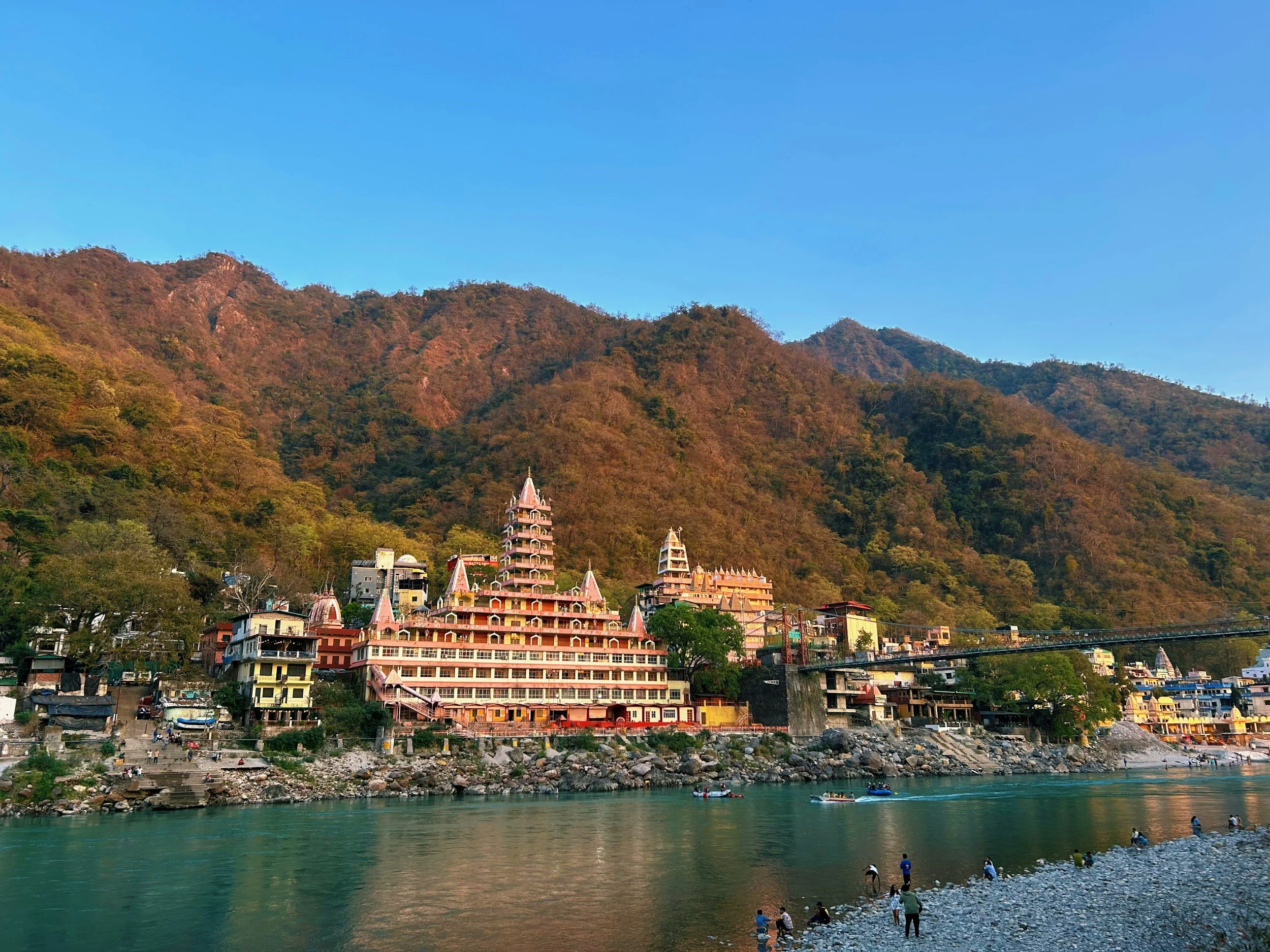
When people hear that Rishikesh is the "Yoga Capital of the World," many assume it is simply because there are hundreds of yoga schools and teacher training courses here. While that may be true, it is not the real reason Rishikesh has earned this title.
The significance of Rishikesh runs much deeper than the number of yoga classes being taught. For centuries, this small Himalayan town has been a place where yogis, sages, saints, and spiritual seekers have come to study, practice, meditate, and dedicate themselves to understanding life beyond its surface appearance.
Long before yoga became popular in the West, people were travelling to this region in search of wisdom and solitude. The forests, caves, mountains, and riverbanks around Rishikesh provided an ideal environment for contemplation and spiritual practice. Even today, stories are told of great yogis who spent years in meditation in the surrounding Himalayan region, using the natural stillness of the area to support their inner journey.
A significant part of Rishikesh's spiritual importance comes from its relationship with the Ganga (Ganges River). In Indian tradition, the Ganga is not viewed merely as a river but as a sacred and life-giving presence. For thousands of years, people have come to her banks to pray, meditate, reflect, and seek purification. Whether one relates to these traditions spiritually, culturally, or simply symbolically, there is no denying the profound influence the river has on the atmosphere of the town.
Many students arrive expecting to find yoga only inside studios and training halls. What often surprises them is that yoga is being lived all around them.
If you walk along the river at sunrise, before the streets become busy, you will often see local people sitting quietly by the water. They are not wearing the latest yoga clothing. They are not posting photos of their practice. Many are simply sitting on a bench, a stone, or directly on the ground, watching the river, practicing pranayama, repeating a mantra, or spending a few moments in meditation before beginning their day.
This is one of the most beautiful aspects of Rishikesh. Yoga here is not always something that is scheduled between 7:00 and 8:30 in the morning. It is woven into daily life.
The practice of self-reflection, prayer, breath awareness, devotion, discipline, and connection to nature can be observed throughout the town. While modern yoga has become increasingly associated with fitness and performance, Rishikesh still offers glimpses into yoga as it has been understood for generations: a path of self-awareness and inner transformation.
Geographically, Rishikesh occupies a unique position. Located at the foothills of the Himalayas, it serves as a gateway between the mountains and the plains of Northern India. The fresh air, natural beauty, surrounding forests, and proximity to the Himalayan region create an environment that many practitioners find conducive to study and introspection.
Of course, modern Rishikesh has changed significantly over the years. Tourism has grown, yoga schools have multiplied, and the town is far busier than it once was. Yet beneath this growth, the essence that has drawn seekers here for generations remains present.
For many students, studying yoga in Rishikesh is not simply about earning a certification. It is an opportunity to learn in a place where yoga continues to be practiced as a living tradition. Beyond the classrooms, textbooks, and training schedules, there is something valuable about spending time in an environment where the teachings are still part of everyday life.
This is what truly makes Rishikesh the Yoga Capital of the World—not the number of schools, but the depth of its connection to a tradition that continues to inspire people from around the globe.
Types of Yoga Teacher Training: 200-Hour, 300-Hour & 500-Hour
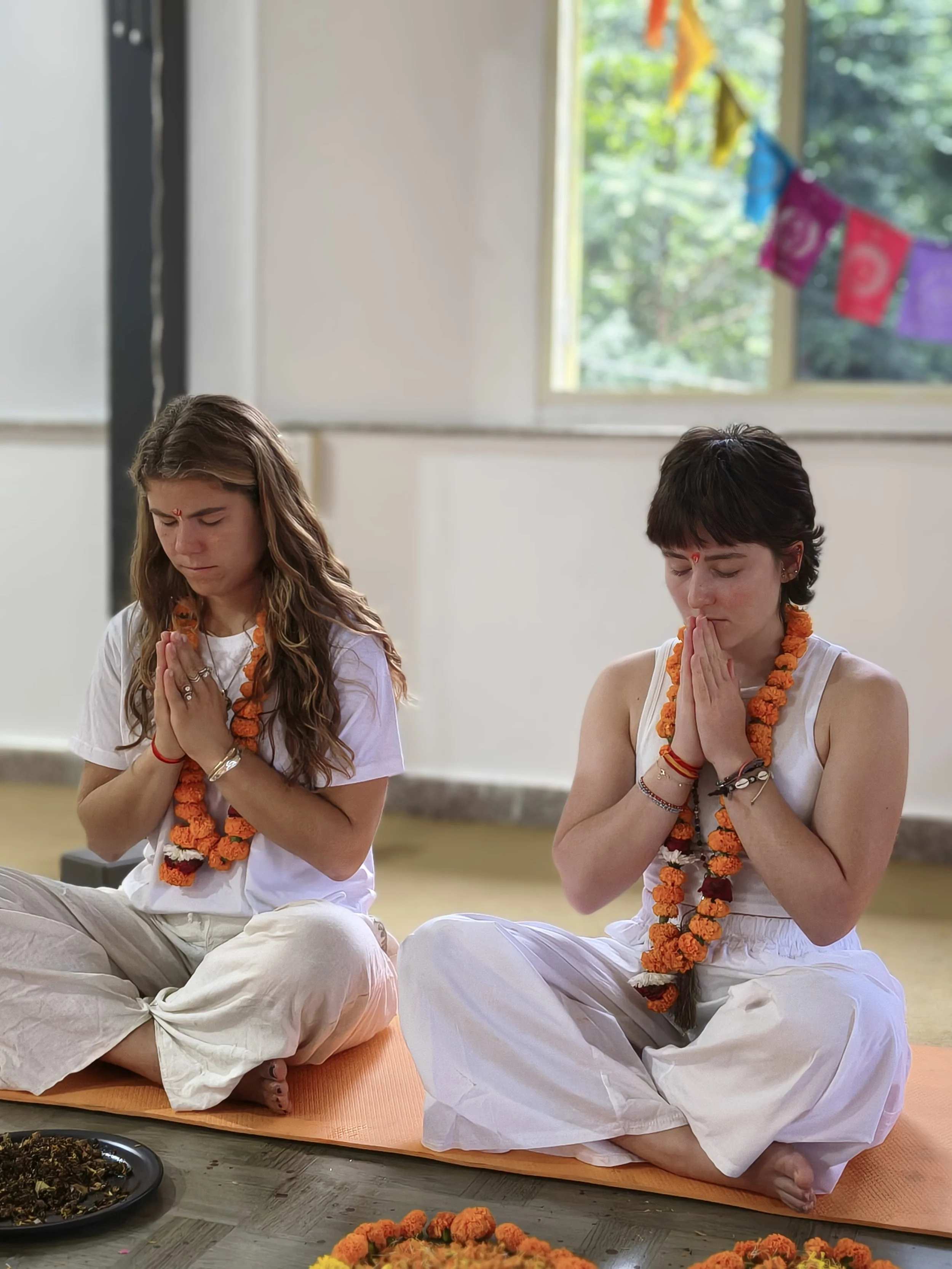
One of the first questions many prospective students ask is:
"Which yoga teacher training should I choose?"
The answer depends largely on your experience, goals, and where you currently are on your yoga journey.
While there are various formats and certifications available today, the most common pathways are the 200-hour, 300-hour, and 500-hour Yoga Teacher Training courses.
Understanding the difference between these levels is important, as they are designed to serve very different purposes.
200-Hour Yoga Teacher Training: Building the Foundation
A 200-hour Yoga Teacher Training is generally considered the entry point into the world of yoga education.
If we were to compare it to formal education, a 200-hour training is similar to an undergraduate degree. It provides the foundation upon which all future learning is built.
The purpose of a quality 200-hour training is not to make you an expert in every aspect of yoga. Rather, it introduces you to the many dimensions of the practice and helps you understand what yoga is beyond the physical postures.
During a 200-hour training, students are typically introduced to:
Asana (physical postures)
Pranayama (breathing techniques)
Meditation
Mantra
Kriya practices
Basic anatomy and physiology
Yoga philosophy
Teaching methodology
Class sequencing and adjustments
While all of these topics are explored, it is important to understand that most 200-hour trainings place their greatest emphasis on asana and learning how to teach asana safely and effectively.
Students learn how to guide classes, understand alignment principles, observe movement patterns, and communicate clearly with practitioners.
The depth of what you learn will depend greatly on the school you choose.
Unlike many people assume, there is no single curriculum that every yoga school follows. While there are general guidelines, each school develops its own syllabus, teaching style, and educational philosophy.
For this reason, not all 200-hour trainings are equal.
At Moola Yoga, we generally recommend a multi-style approach rather than limiting yourself to a single style from the beginning.
Studying multiple approaches to asana allows students to experience different methodologies, teaching perspectives, and movement philosophies. This broader exposure often helps practitioners develop a more informed and intuitive understanding of what works best for their own bodies and future teaching style.
The goal of a 200-hour training is not to have all the answers.
The goal is to open the door to a much larger world of learning.
300-Hour Yoga Teacher Training: Going Beyond the Foundation
A 300-hour Yoga Teacher Training is designed for students who have already completed a 200-hour certification and wish to deepen their knowledge and teaching skills.
Continuing the university analogy, a quality 300-hour training should feel more like a master's degree than simply another beginner-level course.
Unfortunately, this is not always the case.
Many schools advertise a 300-hour program but simply repeat much of the same content taught during their 200-hour course, often adding more practice hours or extending the duration without significantly changing the curriculum.
A genuine 300-hour training should have a completely different approach.
Rather than focusing primarily on learning how to teach asana, students should begin exploring the broader role of a yoga teacher and developing depth across multiple areas of yoga.
At Moola Yoga, we view the 300-hour training as an opportunity to evolve from being primarily an asana teacher into becoming a more complete yoga educator.
While students continue to refine their teaching and practice skills, there is significantly greater emphasis on advanced study and understanding.
Topics may include:
Advanced anatomy and physiology
Teaching pranayama
Teaching meditation
Teaching Yoga Nidra
Advanced teaching methodology
Applied philosophy
Advanced sequencing and class design
Therapeutic considerations
Observation and mentorship
Students also begin exploring philosophical texts in greater depth.
Rather than only studying introductory concepts such as the Eight Limbs of Yoga, a quality advanced training should encourage students to engage with a wider range of traditional teachings and sources.
At Moola Yoga, this includes study and discussion around texts such as:
The Hatha Yoga Pradipika
The Bhagavad Gita
The Upanishads
Traditional yogic philosophy and its application to modern life
The intention is not simply to accumulate information but to develop a deeper relationship with the teachings and learn how to communicate them authentically to others.
Beyond Teaching Classes: Learning to Create Meaningful Programs
Another important distinction of a quality 300-hour Yoga Teacher Training is that it should prepare students for more than simply teaching individual classes.
Teaching a well-structured 60 or 90-minute yoga class is an important skill, but it is only one aspect of being an experienced yoga teacher.
As teachers develop, many find themselves wanting to offer something deeper than weekly drop-in classes. They begin creating workshops, retreats, mentorship programs, continuing education courses, teacher trainings, and longer transformational experiences that support students over weeks, months, or even years.
At Moola Yoga, we believe a 300-hour training should help bridge this gap.
While the 200-hour training focuses primarily on developing the foundations of teaching and understanding yoga, the 300-hour training encourages students to think more broadly about how they can share yoga in a meaningful and sustainable way.
This includes learning how to:
Design and structure educational programs
Create workshops around specific themes
Build retreat experiences with clear learning objectives
Organise progressive learning journeys for students
Develop mentorship skills
Support students beyond a single class experience
Integrate philosophy, meditation, pranayama, and self-inquiry into longer programs
Rather than asking only, "How do I teach this class?", students begin exploring questions such as:
"How do I create a learning experience?"
"How do I guide students through a process of growth over time?"
"How do I structure a program that supports meaningful transformation?"
For many teachers, this shift becomes one of the most important transitions in their professional development.
A student may attend a yoga class for 60 minutes each week, but real transformation often happens through consistent practice, ongoing guidance, and long-term support. Learning how to create these deeper educational experiences requires a different skill set than simply sequencing a class.
As students progress in their careers and gain the necessary teaching experience, many will go on to create their own specialised trainings, continuing education programs, retreats, mentorship offerings, and educational courses.
A strong 300-hour training should help prepare them for this responsibility.
Ultimately, our vision of a 300-hour Yoga Teacher Training is not simply to create more yoga instructors.
It is to help develop knowledgeable, thoughtful, and capable yoga educators who can guide others with integrity, depth, and a genuine understanding of the wider tradition of yoga.
500-Hour Yoga Teacher Training: A Combined Pathway
A 500-hour Yoga Teacher Training is typically a combination of a 200-hour and 300-hour certification.
In theory, this provides students with a complete educational pathway from foundational to advanced study.
However, at Moola Yoga, we generally do not recommend enrolling directly into a 500-hour program.
The reason is simple.
The period between a 200-hour and a 300-hour training is often where some of the most valuable learning takes place.
After completing a 200-hour course, students benefit greatly from spending time practicing, teaching, asking questions, making mistakes, and integrating what they have learned before moving into advanced study.
This experience helps students approach a 300-hour training with greater maturity, perspective, and clarity.
What to Look For When Choosing a Training
Regardless of which level you choose, one of the most important questions to ask a school is:
"How different is your 300-hour curriculum from your 200-hour curriculum?"
This may sound obvious, but many students are surprised to discover that some schools teach both groups together for large portions of the training or repeat significant amounts of content from the foundational course.
A true advanced training should offer genuinely advanced education.
Before enrolling, review the syllabus carefully and ask:
Are 200-hour and 300-hour students taught separately?
Is the philosophy curriculum more advanced?
Are students learning to teach meditation and pranayama?
Is anatomy explored in greater depth?
Are new texts and concepts being studied?
Is the teaching methodology significantly expanded?
Ultimately, the best training is not necessarily the one with the highest number of hours.
It is the one that meets you where you are on your journey and provides the depth, guidance, and support needed for your next stage of growth.
Yoga Alliance Certification: What It Means and Why It Matters
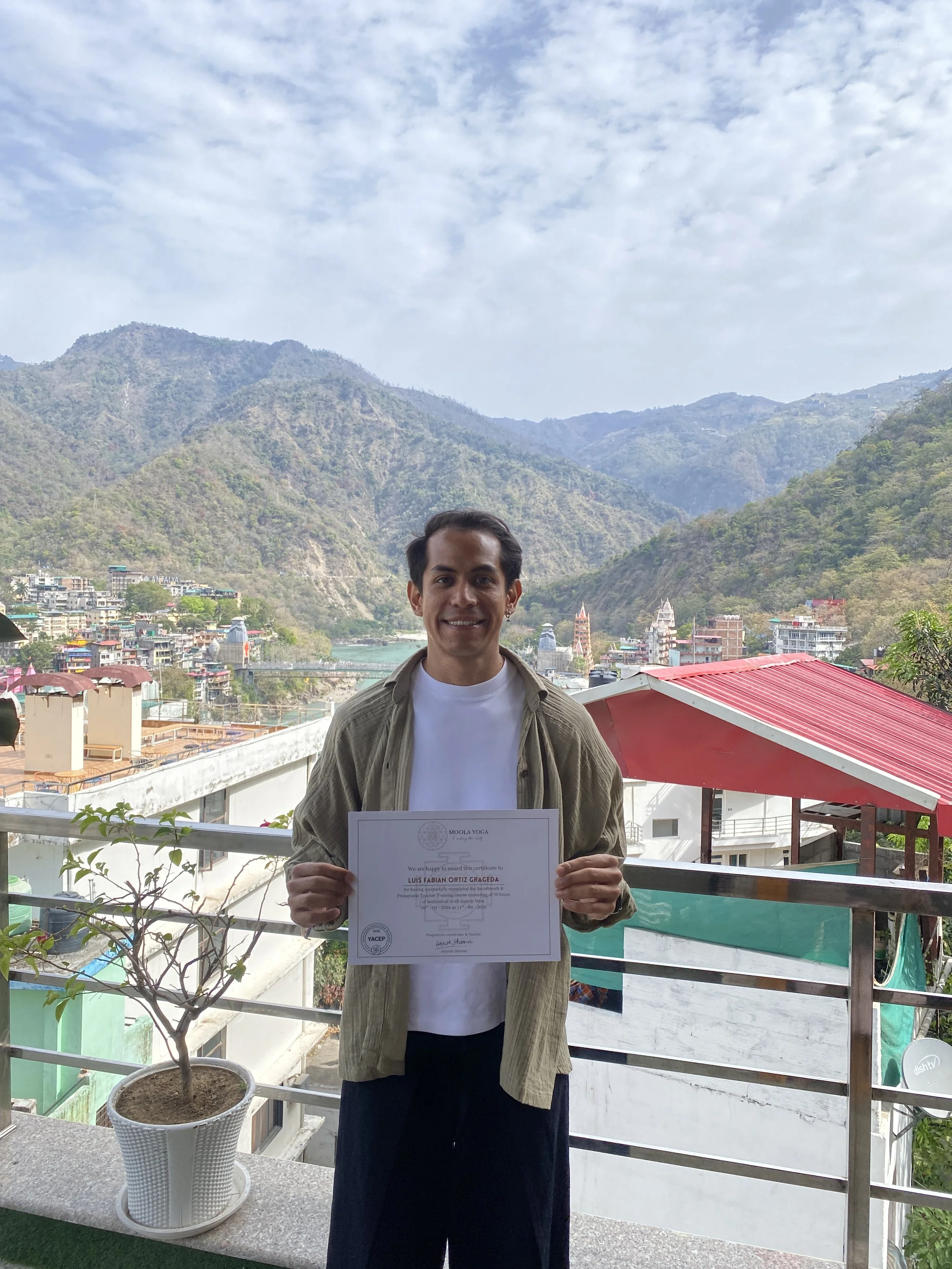
One of the most common questions prospective students ask is whether they should choose a Yoga Alliance certified training.
Yoga Alliance is an international registry that sets minimum educational standards for yoga teacher training schools and allows graduates of registered programs to join its directory. For many students, particularly those planning to teach internationally, a Yoga Alliance certification can provide recognition and make it easier to meet the requirements of studios, gyms, retreat centers, and wellness facilities.
However, it is important to understand what Yoga Alliance is—and what it is not.
Yoga Alliance is not a governing body of yoga, nor does it determine the quality of a teacher. It does not certify that one school is better than another or guarantee that a graduate will become a skilled teacher. It simply provides a framework and registry that schools can choose to follow.
The reality is that your growth as a teacher will depend far more on the quality of your education, the experience of your teachers, the depth of the curriculum, and your own dedication to practice than on any certificate.
When choosing a training, Yoga Alliance certification can be viewed as a useful benchmark, but it should not be the deciding factor. A school's teaching philosophy, faculty, community, and approach to yoga often have a much greater impact on your learning experience.
In short, Yoga Alliance certification can open doors, but it is your knowledge, experience, and ability to serve your students that will determine how far you walk through them.
How to Choose a Yoga School in Rishikesh
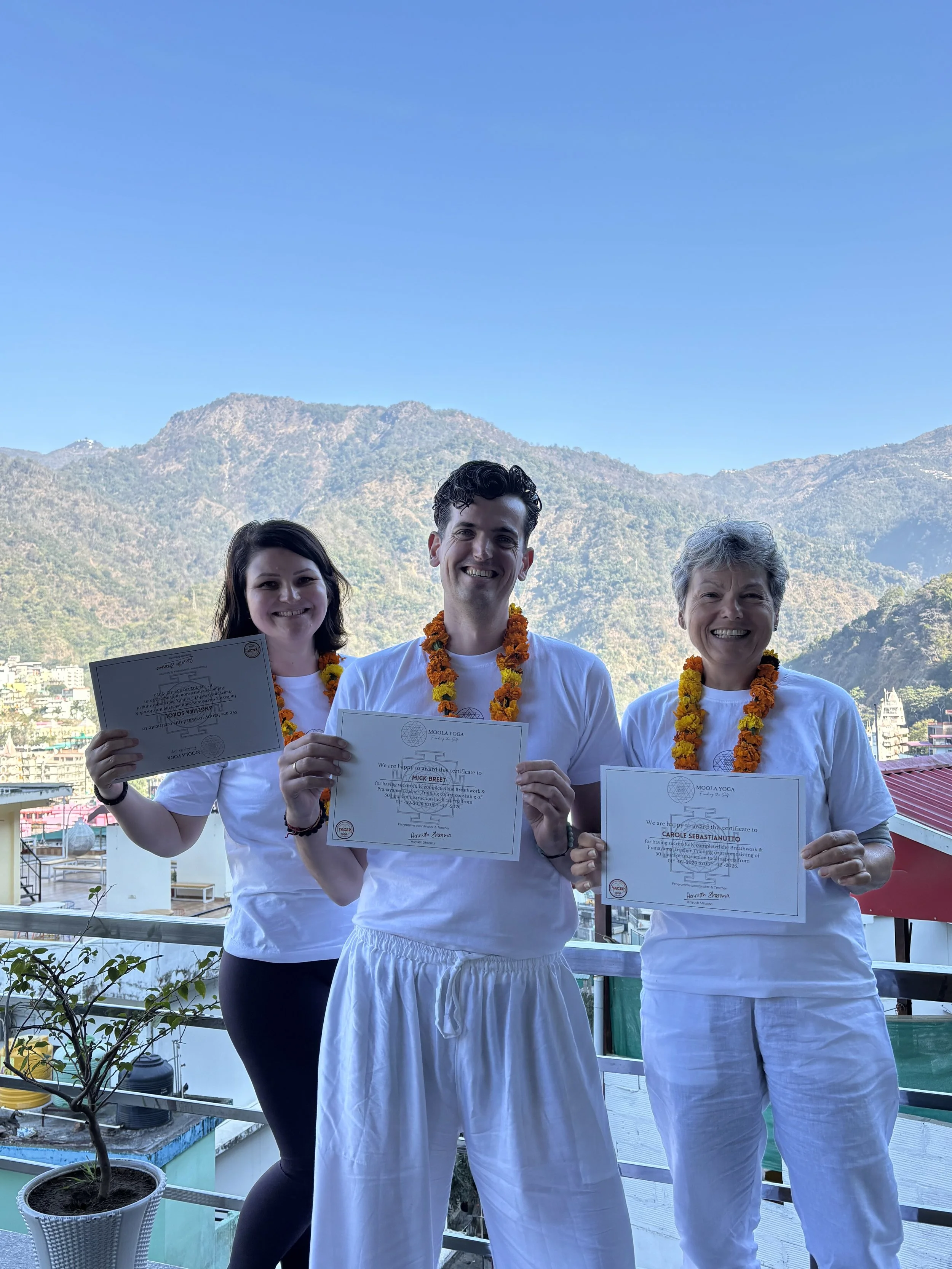
With hundreds of yoga schools operating in Rishikesh, choosing the right training can feel overwhelming. While websites and social media can provide useful information, it is important to look beyond marketing and ask deeper questions about the educational experience being offered.
A yoga teacher training is not simply a purchase; it is an investment of your time, energy, and trust.
1. Who Are the Teachers?
The quality of any training is largely determined by the quality of its teachers.
Research their experience, teaching background, and areas of expertise. Are they actively teaching the subjects they specialise in? Do they have practical experience beyond certification hours?
2. What Is the School's Philosophy?
Every school approaches yoga differently.
Some focus primarily on physical practice, while others place equal emphasis on philosophy, meditation, pranayama, and personal development. Choose a school whose values and teaching approach align with what you are seeking.
3. What Does the Curriculum Include?
Look beyond the list of subjects.
Ask how much time is devoted to anatomy, philosophy, meditation, pranayama, teaching methodology, and practical teaching experience. A strong curriculum should balance both knowledge and application.
4. What Is the Group Size?
Bigger does not always mean better.
Smaller groups often allow for more individual attention, stronger relationships with teachers, deeper discussions, and a greater sense of community.
5. What Support Is Provided After Graduation?
Learning does not end when the training finishes.
Ask whether graduates receive mentorship, continuing education opportunities, teaching support, or access to an ongoing community.
6. What Do Past Students Say?
Read reviews carefully and look beyond comments about accommodation or food.
Pay attention to recurring themes around teaching quality, educational depth, personal growth, and community.
7. Pay Attention to Communication
One of the most revealing indicators of a school's quality is how they communicate before you enrol.
Are they responsive, thoughtful, and genuinely interested in understanding your goals? Or does every interaction feel like a sales pitch?
A good school should be professional, but it should also be human. The goal should not be to convince every person to join, but to help students determine whether the training is truly the right fit.
8. Ask Specific Questions
Rather than asking, "Can you send me more information?", ask detailed questions such as:
How much teaching practice is included?
What is the average class size?
How are philosophy classes taught?
What makes your 300-hour curriculum different from your 200-hour curriculum?
What support do graduates receive after the training?
Specific questions often lead to more meaningful conversations and provide a clearer picture of the school's expertise and transparency.
9. If Possible, Arrange a Call
A phone or video call can reveal far more than a website or email exchange.
Pay attention to whether they listen carefully, answer questions clearly, respect your time, and genuinely seem interested in helping you make the right decision.
10. Does the School's Ethos Match Its Actions?
Most schools speak about authenticity, community, integrity, and personal growth.
The real question is whether those values are reflected in their actions.
Observe whether their communication aligns with their philosophy and ask yourself:
Does this feel like a school that happens to run a business, or a business that happens to teach yoga?
In our experience, these conversations often tell you as much about a school as any brochure, website, or social media account ever will.
What to Expect During a Yoga Teacher Training in Rishikesh
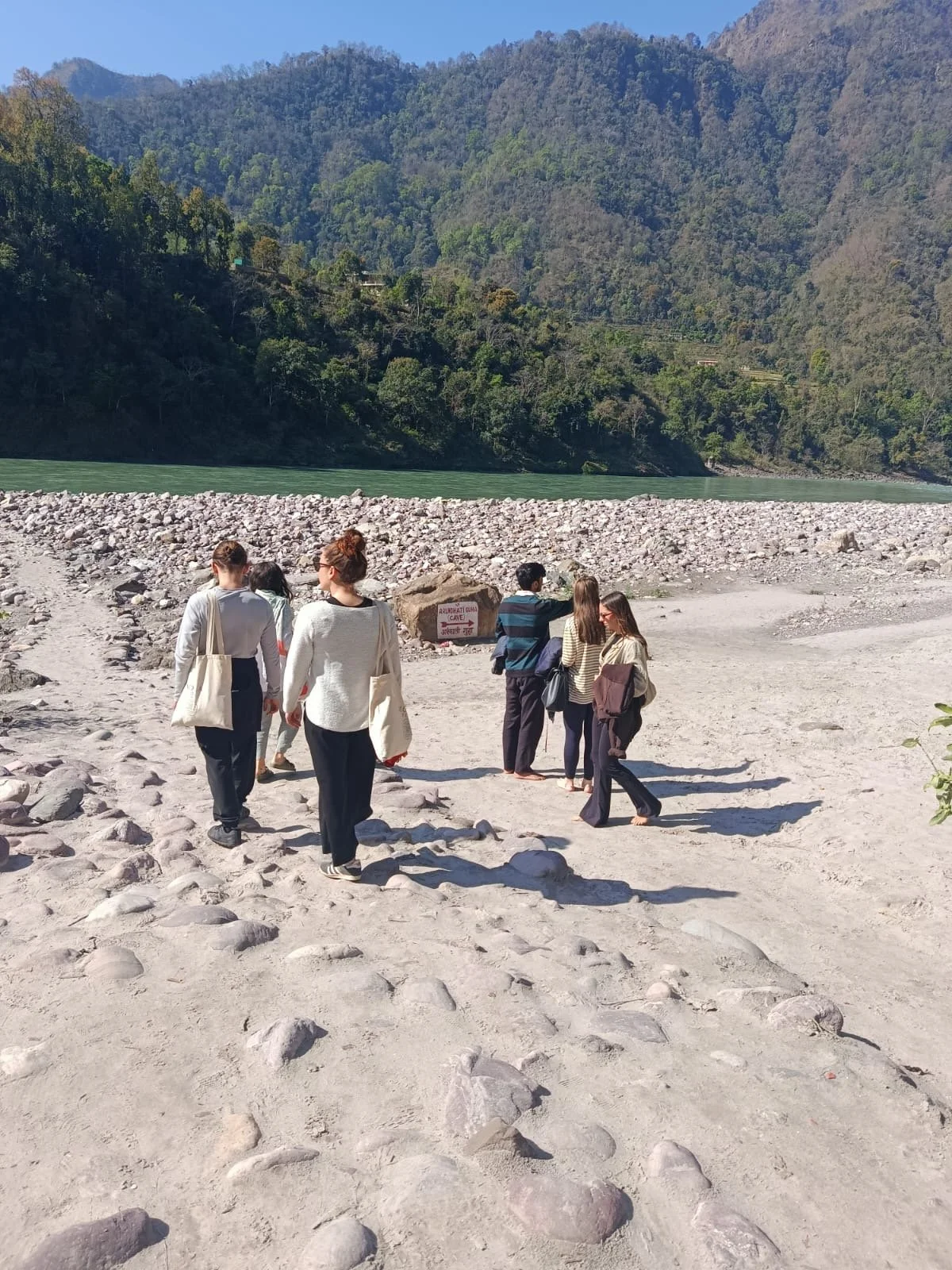
While every school has its own schedule, most Yoga Teacher Training Courses in Rishikesh are immersive experiences that combine physical practice, academic study, self-reflection, and community living.
Students often describe the experience as intensive, rewarding, challenging, and transformative.
A typical day may begin early, often around sunrise, with practices such as meditation, mantra chanting, or pranayama. These are usually followed by asana classes, philosophy lectures, anatomy sessions, teaching methodology, and practical teaching exercises throughout the day.
Rather than attending yoga as a hobby for an hour or two, students spend several weeks fully immersed in the subject.
Outside the classroom, daily life is often much simpler than what many students are accustomed to at home. The rhythm of the day revolves around practice, study, meals, rest, and time in nature.
One of the unique aspects of studying in Rishikesh is that learning does not stop when class ends. Whether it is watching the sunrise over the Ganga, attending an evening Ganga Aarti, having conversations with fellow students, or reflecting quietly by the river, the environment itself becomes part of the educational experience.
Food and Lifestyle
Most schools provide vegetarian meals, and many follow a yogic approach to nutrition that emphasises fresh, nourishing, and easily digestible foods.
The purpose is not restriction but support. Students are engaged in a demanding schedule and require food that sustains energy, concentration, and recovery.
While the experience can be physically demanding, many students find that the combination of movement, breathwork, meditation, routine, and healthy food helps them feel more balanced and connected than they have in years.
Best Time to Attend a Yoga Teacher Training in Rishikesh
One of the advantages of studying yoga in Rishikesh is that trainings take place throughout most of the year. Each season offers a different experience, and the best time to attend will depend on your personal preferences, tolerance for weather, and the type of environment in which you learn best.
October to April: Peak Season
For many students, October to April is considered the ideal time to attend a Yoga Teacher Training in Rishikesh.
The weather is generally pleasant, with warm sunny days, cooler mornings and evenings, and comfortable conditions for practice and study. This is also the busiest period in Rishikesh, attracting students, teachers, and travellers from around the world.
Advantages:
Pleasant temperatures for yoga practice
Clear skies and beautiful Himalayan views
A vibrant international yoga community
Ideal conditions for outdoor activities and sightseeing
Considerations:
Higher demand for trainings and accommodation
Larger number of visitors throughout the city
Summer Season: May to June
Summer in Rishikesh can be hot, with daytime temperatures often exceeding 35°C.
While this may sound challenging, many schools have air-conditioned accommodation and practice spaces, making trainings comfortable even during warmer months.
One advantage of studying during summer is that the city is quieter, allowing for a more peaceful experience.
Advantages:
Fewer tourists and less crowded streets
A quieter and more relaxed atmosphere
Often easier to secure preferred training dates
Considerations:
Hot temperatures, particularly during the afternoon
Outdoor activities may be less comfortable
Monsoon Season: July to September
The monsoon transforms Rishikesh into a lush green landscape. The surrounding hills become vibrant and the city takes on a calmer rhythm.
Many students find this season particularly conducive to introspection, study, and practice.
Advantages:
Beautiful green scenery
Fewer visitors and a quieter environment
A more reflective atmosphere for study and self-practice
Considerations:
Frequent rainfall
Humidity can be high
Some outdoor activities and excursions may be affected by weather
So, When Is the Best Time?
There is no universally perfect season for a Yoga Teacher Training.
If you prefer mild weather and a lively atmosphere, October to April is often the most comfortable choice. If you value quieter surroundings and don't mind warmer temperatures, summer can be a rewarding time to study. If you enjoy rain, nature, and a slower pace, the monsoon season offers a unique experience.
Ultimately, the quality of the training, the teachers, and your willingness to learn will have a far greater impact on your experience than the season itself.
Accommodation & Daily Life During a Yoga Teacher Training
For many students, a Yoga Teacher Training is their first experience living in a yoga school environment. While each school is different, most trainings in Rishikesh are designed to create a balance between study, practice, rest, and community.
Accommodation
Most schools offer either private or shared accommodation.
Private rooms provide additional privacy and personal space, making them a popular choice for students who value quiet time and independent study.
Shared rooms can be a more affordable option and often help students build friendships more quickly as they experience the training together.
Neither option is inherently better. The right choice depends on your budget, personality, and preferred learning environment.
Food
Most Yoga Teacher Trainings in Rishikesh provide vegetarian meals, and many follow a yogic approach to nutrition.
Meals are typically designed to be nourishing, balanced, and supportive of daily practice. Rather than focusing on restriction, the aim is to provide food that supports energy, recovery, and concentration throughout the training.
Wi-Fi & Staying Connected
Most schools provide Wi-Fi access, although speeds and reliability can vary depending on the location.
Many students find themselves naturally spending less time online during the training as they become immersed in practice, study, and community life.
Laundry & Daily Essentials
Laundry facilities are usually available either on-site or through local laundry services. Shops, cafés, pharmacies, and other essentials are widely available throughout Rishikesh, making day-to-day living relatively straightforward.
A Yoga Teacher Training is typically an immersive experience.
Most days begin early and may include meditation, pranayama, and asana practice before breakfast. Philosophy, anatomy, teaching methodology, and practical teaching sessions are often spread throughout the day.
While schedules vary from school to school, students can generally expect a structured routine that supports both learning and personal practice.
Free Time
Although teacher trainings are intensive, there is usually time to rest, explore the local area, journal, study, visit cafés, or simply sit by the Ganga.
Many students find that these quieter moments become an important part of the overall experience.
Excursions & Cultural Experiences
Many schools include activities that allow students to experience Rishikesh beyond the classroom.
These may include visits to local temples, participation in Ganga Aarti ceremonies, sunrise trips to Kunjapuri Temple, nature walks, or other cultural experiences that help students connect with the history and traditions of the region.
These experiences often become some of the most memorable moments of the training and provide valuable context for understanding yoga within its cultural and geographical setting.
Cost of Yoga Teacher Training in Rishikesh
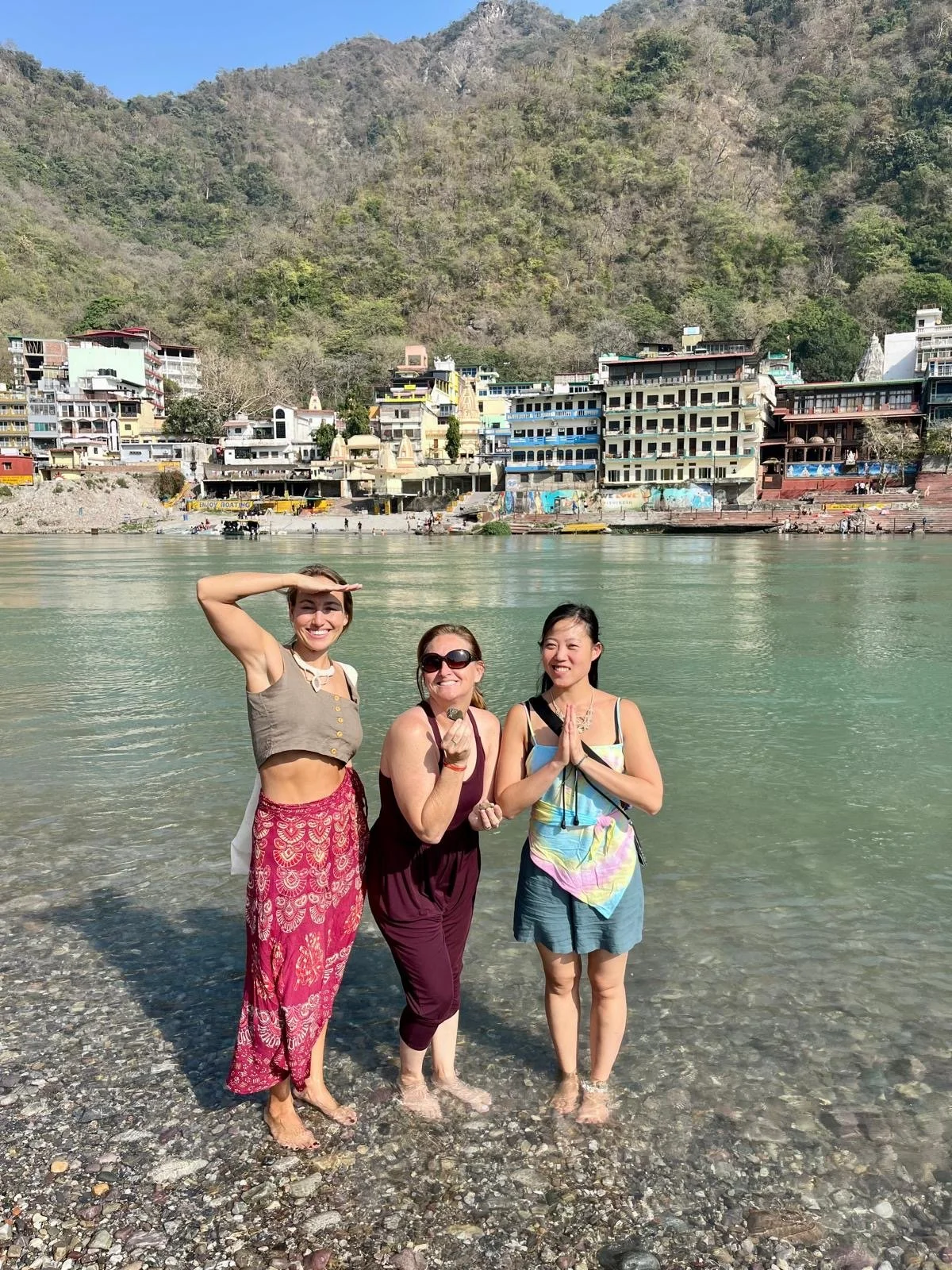
The cost of a Yoga Teacher Training in Rishikesh can vary significantly depending on the school, duration of the training, accommodation standards, teacher experience, and what is included in the package.
Generally speaking, a residential 200-hour Yoga Teacher Training in Rishikesh ranges from approximately €1,000 to €2,500, while advanced trainings may cost more depending on the curriculum and facilities offered.
Most programs include:
Tuition and course materials
Accommodation
Daily meals
Certification upon completion
Access to school facilities
Some schools may also include excursions, workshops, study materials, airport transfers, or additional mentoring opportunities.
When comparing prices, it is important to look beyond the numbers.
A lower-priced course may initially appear attractive, but factors such as teacher quality, educational depth, group size, accommodation standards, and post-training support can significantly influence the value you receive.
Rather than asking, "Which training is the cheapest?" a better question may be:
"Which training provides the best educational experience for my goals?"
The right teacher training is not simply an expense. For many students, it becomes an investment that shapes their personal practice, teaching journey, and relationship with yoga for years to come.
Looking Beyond the Cheapest Option
One of the realities of Yoga Teacher Training in Rishikesh is that you'll occasionally come across 200-hour trainings advertised for remarkably low prices—sometimes as little as USD $250–500, including accommodation and meals.
While these offers can seem appealing, we encourage prospective students to pause and consider what is required to deliver a genuinely high-quality educational experience.
Experienced teachers deserve to be compensated fairly for the years they have dedicated to studying, practicing, and sharing yoga. Schools also need to provide accommodation, prepare meals, maintain facilities, support students, and create an environment where meaningful learning can take place.
When a training is priced at a level that seems too good to be true, it is worth asking where compromises might be made.
This is not to say that the most expensive schools are automatically the best, or that every affordable training lacks quality. Price alone should never determine quality.
However, choosing solely on the basis of finding the cheapest option can sometimes lead to sacrificing the very things that matter most—experienced teachers, educational depth, individual attention, and ongoing support.
There is also a wider impact to consider.
As students, the choices we make help shape the future of yoga education.
Supporting unrealistically low prices can contribute to a culture where teachers are undervalued, educational standards decline, and new graduates struggle to build sustainable teaching careers. In many cases, this results in teachers feeling pressured to work unpaid, teach only in exchange for accommodation, or rely on voluntary opportunities simply to gain experience.
Yoga deserves better than becoming a race to the lowest price.
Traditionally in India, education has always been regarded as something deeply valuable. Knowledge was never viewed as a commodity to be obtained as cheaply as possible, but as something worthy of respect, commitment, and sincere investment.
After all, how do you place a monetary value on learning that transforms your relationship with yourself?
For this reason, we generally recommend looking for value rather than simply looking for the lowest price.
You don't necessarily need the most luxurious training, but you also shouldn't feel compelled to choose a program simply because it is the cheapest available.
A thoughtfully designed, mid-range training with experienced teachers, a well-developed curriculum, smaller class sizes, comfortable accommodation, and a supportive community often provides the greatest long-term value.
Years from now, most graduates won't remember exactly how much they paid.
They will remember what they learned, the teachers who inspired them, the friendships they built, and how the experience changed the way they see themselves and the world around them.
That is where the true value of a Yoga Teacher Training lies.
Frequently Asked Questions About Yoga Teacher Training in Rishikesh
-
No. While Yoga Teacher Trainings are designed to prepare future teachers, many students join simply to deepen their understanding of yoga and themselves. For many graduates, the personal growth, self-discovery, and deeper connection to yoga become even more valuable than the teaching qualification itself.
-
Yes. Many 100-hour and 200-hour trainings welcome beginners. You do not need to be able to perform advanced postures or have years of experience. What matters most is a willingness to learn, an open mind, and a genuine interest in yoga.
-
Rishikesh is considered the Yoga Capital of the World due to its deep connection to yoga, meditation, and spiritual traditions. Located on the banks of the Ganga at the foothills of the Himalayas, it has attracted yogis, sages, and seekers for centuries. Beyond the schools themselves, yoga remains a living part of daily life in Rishikesh.
-
A 200-hour training provides a foundation in yoga practice, philosophy, anatomy, and teaching methodology. A 300-hour training is designed for graduates who want to deepen their knowledge and develop more advanced teaching skills. A quality 300-hour program should go beyond teaching asana and explore subjects such as advanced philosophy, meditation, pranayama, mentorship, program creation, and educational design.
-
Not necessarily. Yoga Alliance certification can be useful for teaching internationally and meeting the requirements of some studios or employers. However, the quality of your education, teaching experience, and personal practice are ultimately more important than any certification.
-
Most trainings are intensive and involve daily practice, study, and self-reflection. However, a Yoga Teacher Training is not a fitness competition. Students are encouraged to work within their own capacities and develop awareness rather than pushing themselves beyond their limits.
-
This depends on the school. Some schools focus on a single style, while others offer a multi-style approach. Multi-style trainings often include combinations of Hatha Yoga, Ashtanga Yoga, Vinyasa Yoga, and other traditional practices, giving students a broader understanding of yoga and helping them discover what resonates most with them.
-
Most days begin early and include meditation, pranayama, asana practice, philosophy, anatomy, teaching methodology, and self-study. While schedules vary, students can generally expect a structured and immersive learning environment that extends far beyond physical practice.
-
Most schools provide vegetarian meals and follow a yogic approach to nutrition. Meals are typically designed to be nourishing, balanced, and supportive of the physical and mental demands of the training.
-
Costs vary depending on the school, accommodation standards, teacher experience, and what's included. A residential 200-hour training generally ranges from approximately €1,000 to €2,500. Rather than focusing solely on price, it is important to consider the overall value, quality of teaching, and educational experience being offered.
-
Read about the school's philosophy, review the curriculum, speak with the teachers or admissions team, and ask detailed questions. Pay attention to how the school communicates with you. Their responsiveness, honesty, and willingness to answer questions often reveal a great deal about the quality of the learning environment.
-
Not necessarily one or the other. However, smaller groups often provide more personalised attention, stronger relationships with teachers, deeper discussions, and a greater sense of community. The quality of the learning environment is generally more important than the number of students attending.
-
You will have the foundational skills needed to begin teaching, but becoming a confident and experienced teacher takes time. Like any profession, teaching develops through continued practice, observation, reflection, and experience. Graduation is often the beginning of the journey rather than the final destination.
-
Every student's experience is unique, but many graduates describe their training as one of the most meaningful experiences of their lives. Beyond learning techniques and theory, students often develop greater self-awareness, confidence, discipline, and clarity about their direction in life.
-
The most important factor is finding a school whose values, teaching style, and educational philosophy align with your goals. Certifications, facilities, and pricing all matter, but ultimately it is the quality of the teachers, the depth of the curriculum, and the learning environment that will have the greatest impact on your experience.
Your Journey Doesn't End Here
If you've read this guide from beginning to end, you've already taken an important first step.
By now, you should have a much clearer understanding of what a Yoga Teacher Training really is, why Rishikesh continues to attract students from around the world, how to choose a school thoughtfully, and what to expect from the experience.
But reading about a Yoga Teacher Training and making the decision to join one are two very different things.
It's completely natural to still have questions.
Perhaps you're wondering:
Am I ready for a Yoga Teacher Training?
Is a 200-hour or 300-hour training right for me?
How do I know if a school is genuinely the right fit?
Should I study in India or somewhere closer to home?
These are important questions, and they deserve more than a quick email reply.
Join Our Free Online Workshop
To help prospective students make an informed decision, we've created a free live online workshop:
How to Choose the Right Yoga Teacher Training
During this session, we'll expand on many of the topics covered in this guide and share the insights we wish every student knew before booking a training.
We'll explore:
How to identify a high-quality Yoga Teacher Training
The biggest mistakes students make when choosing a school
How to compare different training styles and teaching approaches
What makes a training genuinely transformational
How to determine whether a particular school aligns with your goals
Live questions and answers, so you can receive guidance specific to your own journey
There is absolutely no obligation to join one of our trainings.
The purpose of this workshop is to help you make the right decision—whether that's with Moola Yoga or another school that better suits your needs.
Ready to Take the Next Step?
If you already feel confident about beginning your journey, we invite you to explore our Yoga Teacher Training programs in Rishikesh.
Whether you're looking to deepen your personal practice, become a confident yoga teacher, or immerse yourself in the traditional teachings of yoga, our trainings are designed to provide a supportive, educational, and transformational experience.
Explore our programmes:
Specialised In-Person Trainings
Every student's journey is unique, and there is no single path that is right for everyone. Whether you're taking your very first step into yoga or returning to deepen your knowledge after years of teaching, our intention is to provide an environment where learning is rooted in tradition, guided with integrity, and shared with genuine care.
About the Author
Written by Aayush Sharma
Founder & Lead Teacher, Moola Yoga Rishikesh

Yoga has been at the centre of my life since I was 13 years old. What began as a physical practice gradually became a lifelong journey of studying the philosophy, traditions, and teachings of yoga, leading me to practise and teach across India and internationally before founding Moola Yoga Rishikesh.
Today, I teach 100-hour, 200-hour, and 300-hour Yoga Teacher Trainings, specialising in Ashtanga Yoga, Hatha Yoga, Vinyasa, yogic philosophy, anatomy, pranayama, and teaching methodology.
I wrote this guide to help prospective students make an informed decision before choosing a Yoga Teacher Training. Rather than simply promoting one school, my intention is to share the knowledge and insights I've gained from years of teaching, answering students' questions, and guiding practitioners from around the world through their first steps into the world of yoga.
Whether you choose to study with us or elsewhere, I hope this guide helps you find a training that genuinely supports your personal and professional journey.
